
By Ali, Manager · · 16 min read
OEM Versus Aftermarket Parts: A Garland Shop's Guide
OEM versus aftermarket parts explained: how they affect safety, fit, cost, and your repair. A Garland body shop's real-world guide to choosing right.
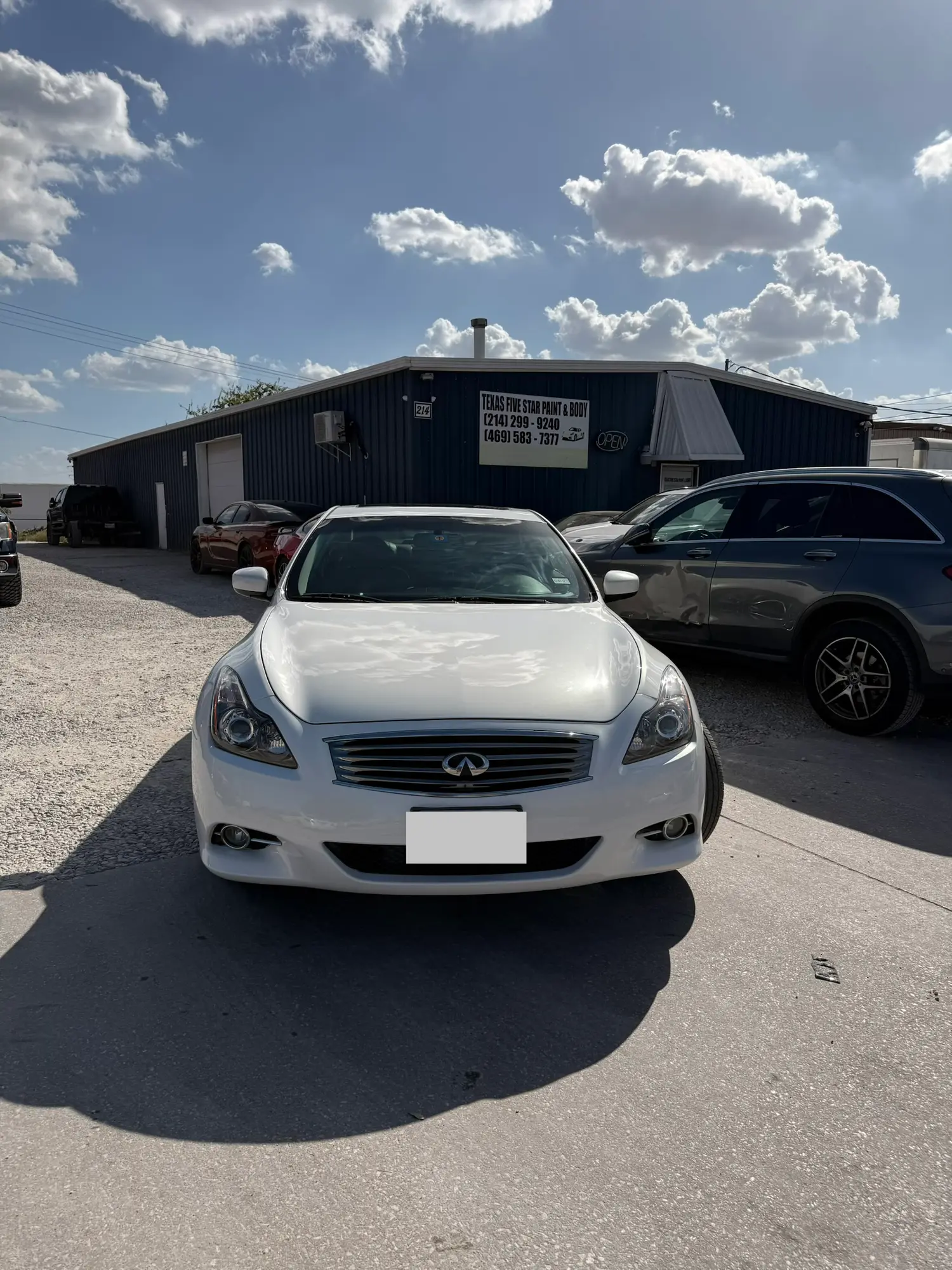
When your car needs collision repair, the parts that go back on it matter just as much as the workmanship. OEM parts are built by your vehicle's manufacturer and match the factory specifications exactly. Aftermarket parts come from third-party companies and can vary in fit, material, and durability. The choice between OEM versus aftermarket parts directly shapes how safe your repair is, how long it lasts, and what your car is worth afterward. At Texas Five Star Paint & Body in Garland, we work with both types every day and help you decide based on the job, not just the price tag. We are Certified Under State Of Texas and hold our Auto Body Collision Certification, so every estimate we write identifies the part type before work begins.
Think you have no say in which parts end up on your car after an accident? Many drivers assume the insurance company picks everything. That is not how it works. You have more control than you might realize. Knowing the difference between OEM versus aftermarket parts before you authorize a repair keeps a frustrating surprise from showing up six months later. That is when a panel gap widens or a sensor light stays on.
We agree that nobody should get a repair that looks "good enough" but falls short of factory quality. We promise a clear, no-jargon breakdown of what each part type actually means for your vehicle and your wallet. Here is what we will cover: the real definition of each part type, the hidden risks of aftermarket parts when they are not carefully vetted, how a certified shop like ours handles the decision, what these repairs cost and what moves the price, why classic and period-correct work demands OEM, and how to pick a shop that will not cut corners on parts.
Key Takeaways- OEM parts come from your carmaker's supply chain and match factory fit, material, and crash-test standards.- Aftermarket parts vary widely; CAPA certification is the minimum bar we recommend you accept before one goes on your car.- The average collision repair takes about two weeks, and parts availability drives that timeline.- Bumper repair at our Garland shop runs $500 to $1,500, while a full paint job runs $6,000 to $14,000.- Verified reviews named us 2025 Shop Of The Year In Garland, and we back our paint work with a five-year warranty.
What Are OEM Versus Aftermarket Parts?
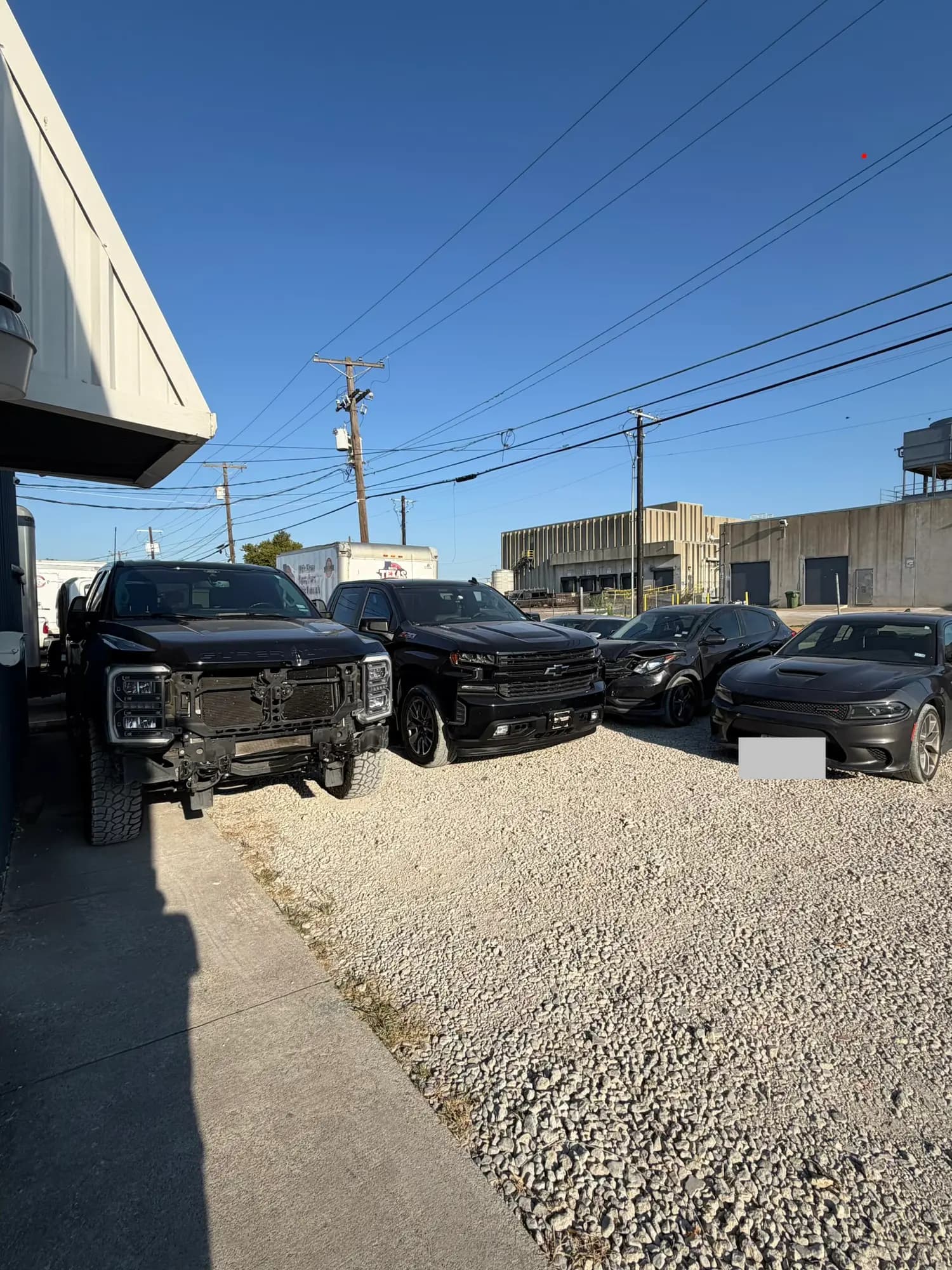
If we strip away the industry language, the difference is straightforward. OEM stands for Original Equipment Manufacturer. These parts are made by the same company that built your car - Ford, Honda, BMW, Toyota - or by a supplier they authorized to build that component to their exact blueprint. An OEM fender for a 2024 Acura came off the same production line as the fender the car wore when it left the factory.
Aftermarket parts are produced by independent companies that reverse-engineer the original design. They are not licensed by your carmaker. Some are excellent. Others are not. The variation comes down to who made them and whether they earned a CAPA certification - a standards program that tests aftermarket parts for material quality, thickness, and fit against the OEM benchmark.
Here is the core distinction in a single list you can use when an estimator hands you a parts sheet:
- Origin: OEM parts trace back to your carmaker's supply chain. Aftermarket parts come from third-party manufacturers with no factory relationship.
- Fit and tolerance: OEM parts match the original panel gaps and mounting points within millimeter precision. Aftermarket parts often need adjustment, and some never align completely.
- Material composition: OEM metal panels use the same grade, gauge, and coatings as the factory-spec part. Aftermarket steel or aluminum can be thinner or use different corrosion treatments.
- Safety system compatibility: OEM structural parts are crash-tested as part of the vehicle's safety system. An aftermarket bumper reinforcement or radiator support may not absorb energy the same way, which matters for ADAS sensor alignment after a collision.
- Warranty path: OEM parts carry the vehicle manufacturer's warranty and a streamlined claims process. Aftermarket warranties, when offered, vary by brand and often require more steps.
- Cost range: Aftermarket parts typically cost less than OEM equivalents, though on some models the gap narrows considerably.
At Texas Five Star Paint & Body, we hold our Auto Body Collision Certification and are Certified Under State Of Texas. Ask whether a shop identifies part types on every estimate and explains the difference before work begins. We never install a part without your approval, and we show you where each line item lands on the OEM-to-aftermarket spectrum. A typical bumper repair takes about five business days in our shop, and that timeline includes the pre-fit inspection we run before any part gets painted.
The Real Problem With Aftermarket Parts
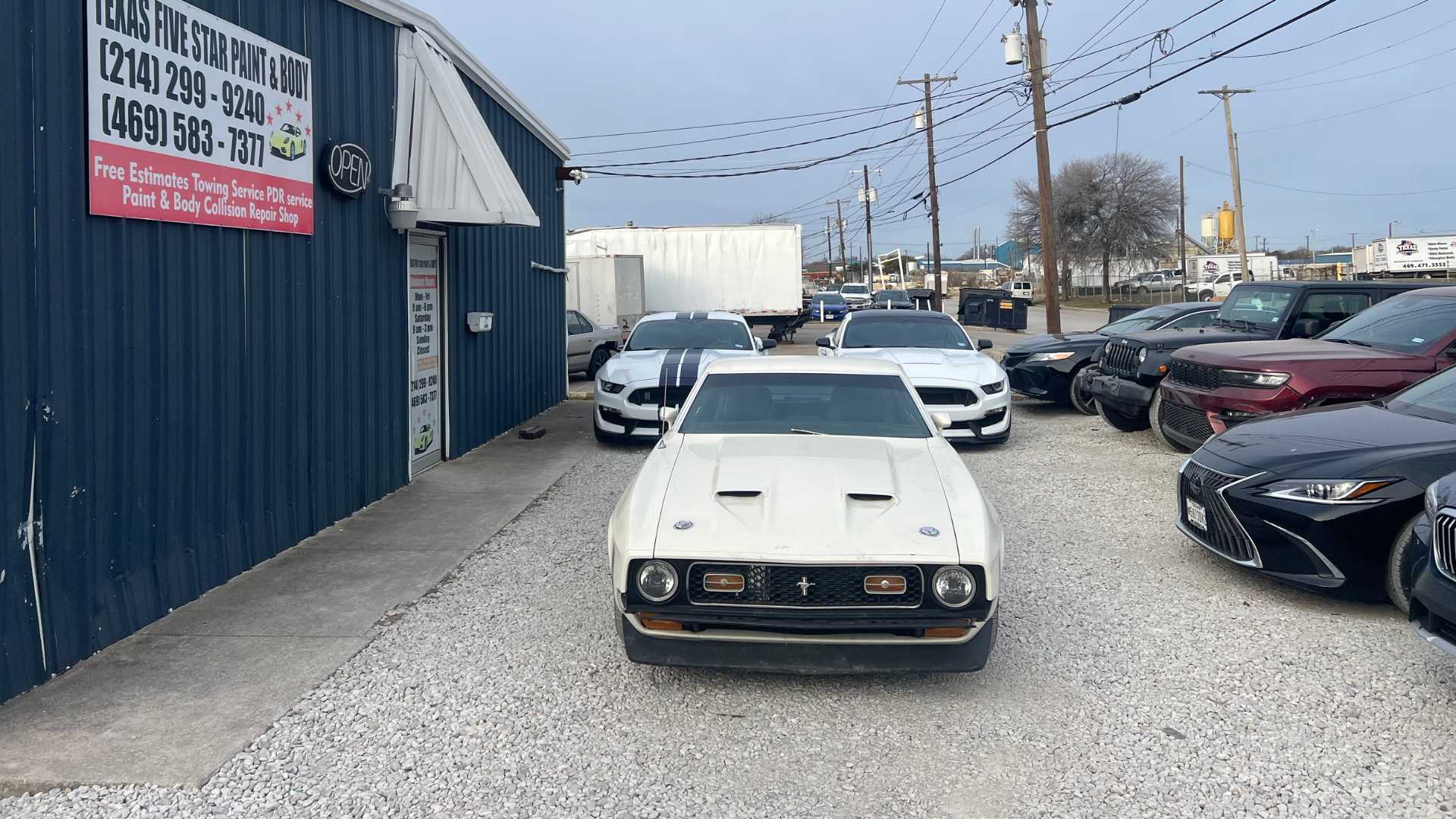
The issue is not that aftermarket parts exist. It is that without a shop that inspects them before spraying paint, you can end up with a repair that fits poorly, corrodes early, or compromises a safety system you count on. We see the problem most often in bumpers and front-end components - parts that absorb impact and protect what is behind them.
Pros of aftermarket parts:
- Lower part cost reduces the total repair bill
- Widely available, even for discontinued or backordered OEM components
- CAPA-certified options narrow the quality gap significantly
Cons of aftermarket parts:
- Fitment inconsistencies cause panel gaps that widen over time
- Material gauge differences can affect crash energy absorption
- Some aftermarket bumpers lack the reinforcement geometry of the OEM design
- Finish quality on raw plastic parts often requires extra prep work before paint
Verdict: Aftermarket parts work when they are CAPA-certified, properly inspected, and installed by a shop that refuses to accept poor fit - but they are not a safe default for every repair.
For a driver looking for factory-quality collision repair after an accident, bumper damage especially demands a careful call. A bumper on a modern car is not just a plastic cover. It houses parking sensors, blind-spot radar units, and sometimes the forward collision warning transmitter. An aftermarket bumper cover that is 3 millimeters off in its sensor-mounting boss can cause a calibration fault. That fault keeps your driver-assist system offline. In cases where the damage is shallow and the original bumper reinforcement is intact, repairing the factory bumper instead of replacing it with an aftermarket unit often preserves the sensor alignment and costs less. Our typical bumper repair runs between $500 and $1,500 depending on severity and how close that damage is to adjacent panels needing blend work. Marleen Nava brought us a bumper replacement and paint job and told us afterward, "they blended the colors very well." That blend step is where the OEM versus aftermarket parts decision shows up in the final result - a factory bumper cover takes paint predictably, while an aftermarket cover often needs extra surface prep to match.
One reality we explain to every customer: the average collision repair takes about two weeks to complete, and that timeline depends heavily on parts availability. An OEM part on national backorder can extend that wait, while a CAPA aftermarket alternative sitting in a local warehouse can get your car back sooner. The right answer depends on the part's function. A hood or a door skin raises fit-and-finish concerns we can manage with careful prep. A radiator support or a frame rail end demands OEM because the carmaker's engineering team validated the structural behavior under load. Aftermarket versions of structural parts rarely carry that same crash-test data. Verified reviews named us 2025 Shop Of The Year In Garland, and that recognition came from customers who saw us make exactly these calls on their own cars.
How a Certified Shop Handles OEM Versus Aftermarket Parts
When a vehicle lands in our bay, we run the parts decision through a deliberate sequence - not a default setting. Here is the process we run at Texas Five Star Paint & Body, the shop named 2025 Shop Of The Year In Garland based on verified reviews:
- Tear-down and damage mapping: We remove damaged panels and measure every mounting point. Hidden damage behind a bumper or under a quarter panel changes the parts list entirely. Skipping this step is why initial estimates often grow.
- Parts sourcing and option comparison: For each line item, we pull OEM pricing and availability alongside CAPA-certified aftermarket options. We flag any aftermarket part that lacks CAPA certification and show you the price difference.
- Pre-fit inspection: Before any part gets painted, we test-fit it on the vehicle. This catches alignment problems while they can still be returned. We send back any aftermarket part - or any OEM part damaged in shipping - that does not meet our fit standard.
- Customer approval: We walk you through the parts sheet with real prices attached. The decision is yours, with our recommendation based on what that specific part does: cosmetic, structural, or sensor-critical.
- ADAS calibration verification: On any repair involving bumper, windshield, or side-mirror work, we verify that all sensors communicate and calibrate correctly. A single misaligned radar unit from an out-of-spec aftermarket bracket can disable your adaptive cruise control.
A typical pre-fit catch illustrates why step 3 matters so much. An aftermarket grille surround arrives and we test-fit it before paint. The panel gap to the hood leading edge is off - noticeable at a glance. We return that part, source the OEM unit, and the gap closes to factory spec. Cars with tight tolerance stacks, like a late-model BMW, show a millimeter error across the entire front fascia line. The inspection happens before paint touches the part, every time.
The same discipline applies to any brand we service, from Acura to Volvo. We are Certified Under State Of Texas, and that license means our process gets reviewed, not just our finished work.
What OEM Versus Aftermarket Parts Cost and What Moves the Price
The numbers your estimator hands you are driven by three things: the damage scope, the vehicle model, and the parts source. Below is a table of realistic repair ranges we see in our Garland shop across common collision types, with part type being one of the largest swings in each range.
Repair Type | Typical Cost Range | Key Price Drivers |
|---|---|---|
Bumper repair or replacement | $500 - $1,500 | Damage severity; proximity to panels requiring blend; bumper replacement vs. repair; OEM vs. aftermarket bumper cost |
Front end collision | $2,000 - $7,000 | Model year (newer cars pack more front-end parts and ADAS sensors); OEM structural components; calibration requirements |
Rear end collision | $2,000 - $7,000 | ADAS systems in the rear (cross-traffic radar, park sensors); rear floor panel damage; bumper reinforcement replacement |
Side swipe | $2,000 - $6,000 | Door or quarter panel replacement vs. repair; panel size; usually fewer hidden-damage surprises so initial estimates hold better |
A front-end collision on a 2023 Honda with lane-keeping sensors and radar cruise control runs toward the higher end of that $2,000-$7,000 band because the ADAS calibration alone adds labor. Aftermarket brackets for the radar unit are scarce and inconsistent. An older sedan without those systems can land near the lower end. A CAPA-certified aftermarket bumper cover can shave several hundred dollars off the parts subtotal without harming safety - provided the reinforcement behind it stays OEM. Fleet operators like Cooper Concrete and local rental companies trust our shop's OEM versus aftermarket parts decisions because they see the long-term cost difference when structural parts are chosen right the first time.
Insurance plays its own role. Some policies specify OEM parts for the first two or three model years, then allow aftermarket alternatives afterward. Others default to aftermarket unless you request otherwise. The deductible you pay is separate from the parts choice. Choosing OEM on an aftermarket-default policy can sometimes leave you covering a small price difference. We will tell you the exact number before you decide.
Restoration Work: Why Period-Correct Parts Leave No Room for Imitation
Classic car restoration is the category where the OEM versus aftermarket parts conversation ends before it starts. For period-correct work, OEM or properly sourced reproduction parts are the only answer. Close enough does not close the deal.
Last year we took on a 1967 Mustang Shelby GT500 - the Eleanor edition featured in Gone in 60 Seconds. The customer had sourced a special carbon-fiber hood with two stripes molded in, and the rest of the hood needed to be painted body color. During tear-down, we found previous body work on the quarter panel that had been done poorly. Poor prior body work like this is exactly what tear-down is for - you cannot trust what is under the paint until you strip it back. The customer decided to get that fixed as well with our body work and materials.
On a car like this, you cannot grab an aftermarket quarter panel skin and call it done. The repair needed period-correct metal gauge matching and hand-shaped contouring to restore the factory line. We stripped the old work, reshaped the panel, and applied our body materials to rebuild the surface. The full project - carbon hood prep, quarter panel restoration, and a complete body paint job - spanned about 60 to 90 business days, which is typical for a full paint project of this scale, depending on vehicle size and previous damage. The customer picked up a car where the hood stripes, the body color, and the quarter line all agreed, and where the repair beneath the paint was done to factory standard.
Restoration customers care about two things: authenticity and longevity. An aftermarket part on a collector car hurts resale value immediately because it is visible in the panel fit and weld patterns to any knowledgeable inspector. OEM or properly licensed reproduction parts preserve the car's provenance, and our five-year paint warranty backs the finish.
How to Choose a Body Shop That Will Not Cut Corners on Parts
Finding a trustworthy auto body shop in Garland, TX means looking past the front desk and asking about process. Here are the questions that separate a shop that cares about OEM versus aftermarket parts from one that treats aftermarket as the default:
- Ask for a parts breakdown on the estimate. Any reputable shop will label OEM, aftermarket, and reconditioned parts line by line. If the estimate lumps everything under "replacement parts," ask for it broken out.
- Check certifications. A shop with Auto Body Collision Certification, state licensure, and manufacturer-specific training has been audited on its parts sourcing and repair standards. Texas Five Star Paint & Body carries those credentials, and being named 2025 Shop Of The Year In Garland based on verified reviews means those standards are visible to every customer.
- Look at the warranty. Our five-year paint warranty covers the finish, and we stand behind the parts we install - OEM or aftermarket - because we inspected them before they went on. A shop that cannot name its parts warranty is a red flag.
- Read reviews that mention parts specifically. Customer testimonials that describe fit, finish, and sensor behavior after repair tell you more than a star count. Real feedback from recent clients - like Ujwal, who brought us a 2026 BMW M3 with individual paint after a hit-and-run - shows what happens when a shop refuses to compromise. His front-end repair required precise color matching on a factory-custom paint code, and the result was seamless.
- Visit and ask how they handle insurance claims. Choose a shop that works directly with your insurer, handles the deductible conversation honestly, and pushes back when an insurer-directed aftermarket part is not appropriate for your repair. That is a shop that puts your car ahead of the adjuster's cost target.
Esmaeil, our founder, built this shop on the principle that a repair is not done until the customer cannot find the damage. Lance Jernigan, a customer who brought us an auto restoration job, put it plainly: "The father and son who run the shop are some of the most skilled professionals doing body work." That standard requires more than skill - it requires the right parts. Start with a shop that pre-fits every part before paint and shows you the parts sheet line by line. That is the standard we apply to every vehicle at Texas Five Star.
Getting Started With Your Repair the Right Way
The hours right after an accident set the trajectory for everything that follows. Take these steps in order, and the OEM versus aftermarket parts decision you make later will be informed instead of rushed:
- Document the damage before you move the car. Photos of every affected panel, the position of the wheels, and any fluid on the ground give the estimator a starting point.
- Call your insurer, but do not commit to their preferred shop yet. Open the claim, get the claim number, and ask explicitly whether your policy specifies OEM parts for your vehicle's age. Write down their answer.
- Get an estimate from a certified independent shop. Bring the vehicle to a facility that will write a line-by-line parts breakdown and explain the trade-offs. Our bumper repair timeline - about five business days for a typical job - gives you a real schedule to plan around, while the average collision repair runs closer to two weeks depending on insurance parts availability.
- Review the parts sheet with the estimator. Point to each line item and ask: OEM or aftermarket? CAPA-certified? Safety-related or cosmetic? You should leave that conversation understanding exactly what goes on your car.
- Authorize the repair in writing with the parts you approved. This locks in your choice and prevents a substitute from arriving later.
We handle auto insurance claim repair from start to finish, communicating directly with your carrier so you do not play phone tag after the initial call. A customer named Omar told us after picking up his truck, "They kept me informed about the progress of the repairs of my truck." That is the standard we aim for on every job.
Frequently asked questions
How much do you guys charge for a bumper repair? The price for bumper repair at our shop ranges from $500 to $1,500. What moves that number is the severity of the damage and how close it sits to other panels - when damage is near a fender or hood edge, we may need to blend the adjacent panel for a seamless color match, and the higher end can include a bumper replacement for certain models. The make of your car also shifts the part cost.
How much do you guys charge for a front end collision? A front-end collision repair costs between $2,000 and $7,000 at our Garland shop. The range depends on how deeply the damage goes - newer cars pack more parts and ADAS safety sensors in the front. Those systems need calibration after the repair, which adds labor and specific equipment time. The vehicle model and whether structural components like the radiator support are involved are the biggest price levers.
Will my insurance cover OEM parts or only aftermarket parts? We walk every customer through their specific policy provision before ordering any part so there are no surprises on the final bill. It depends on your policy language. Some policies cover OEM parts for the first two to three model years of a vehicle, then default to aftermarket alternatives for older cars. Some insurers allow you to request OEM and pay a small difference.
How can I tell if a body shop used aftermarket parts without telling me? Ask for the parts breakdown sheet from the final invoice. It must list each replacement part by type and source. You can also check panel fit: gaps that are uneven between the repaired side and the undamaged side. A finish that shows more orange peel than the factory panels can signal an aftermarket part that was not properly prepped. A trustworthy shop hands you that sheet without being asked.
Do aftermarket parts affect my car's resale value? They can. A trained buyer or appraiser will notice inconsistent panel fit, different metal gauge patterns, or finish texture that does not match the original. On late-model luxury cars - a BMW M3 with individual paint, for example - the difference is obvious enough to reduce a trade-in offer. On an older daily driver where CAPA-certified parts were used properly, the impact is usually negligible. We talk through that trade-off with you before the repair starts.
Are OEM parts always better than aftermarket parts for collision repair? Not in every single case, but they are consistently more predictable. An OEM part will fit exactly and carry the manufacturer's warranty without question. A CAPA-certified aftermarket part that we pre-fit and inspect in our shop can perform nearly as well and cost considerably less. The deciding factor is the part's function: structural and sensor-critical parts lean heavily toward OEM, while a bumper cover or a mirror housing can be a reasonable aftermarket choice with proper vetting.
A final point to drive the OEM versus aftermarket parts decision home: the right choice is not the cheapest quote or the most expensive one - it is the choice that an experienced certified shop can explain part by part and stand behind with a real warranty. Before you decide on a repair, run these checks yourself:
- Confirm the shop carries state-required licensure and manufacturer-recognized collision certification.
- Ask for a line-by-line estimate that labels every part as OEM, aftermarket, or reconditioned.
- Require a pre-fit inspection policy - the shop should commit to test-fitting any aftermarket structural or alignment-sensitive part before painting.
- Verify the warranty covers both labor and finish, and ask whether parts carry their own manufacturer guarantee.
- Read five recent reviews from customers who had collision repair - not just paint work - and look for mentions of panel fit and sensor function afterward.
- If your car is under three years old, call your insurer directly and confirm OEM coverage before you authorize parts.
When you are ready to get an estimate that breaks out OEM versus aftermarket parts honestly and walks you through the decision without pressure, call our team at Texas Five Star Paint & Body at (469) 583-7377 or stop by 214 Range Dr in Garland. We are open Monday through Friday 8 to 6 and Saturday 9 to 3. See the work that earned our 2025 Shop Of The Year recognition in person, and get a parts sheet you can trust.