
By Ali, Manager · · 14 min read
Can You Paint a Car in Cold Weather? Yes - Here's How
Can you paint a car in cold weather? Yes, with a climate-controlled booth and the right paint system, you get a flawless finish year-round. Here's how.
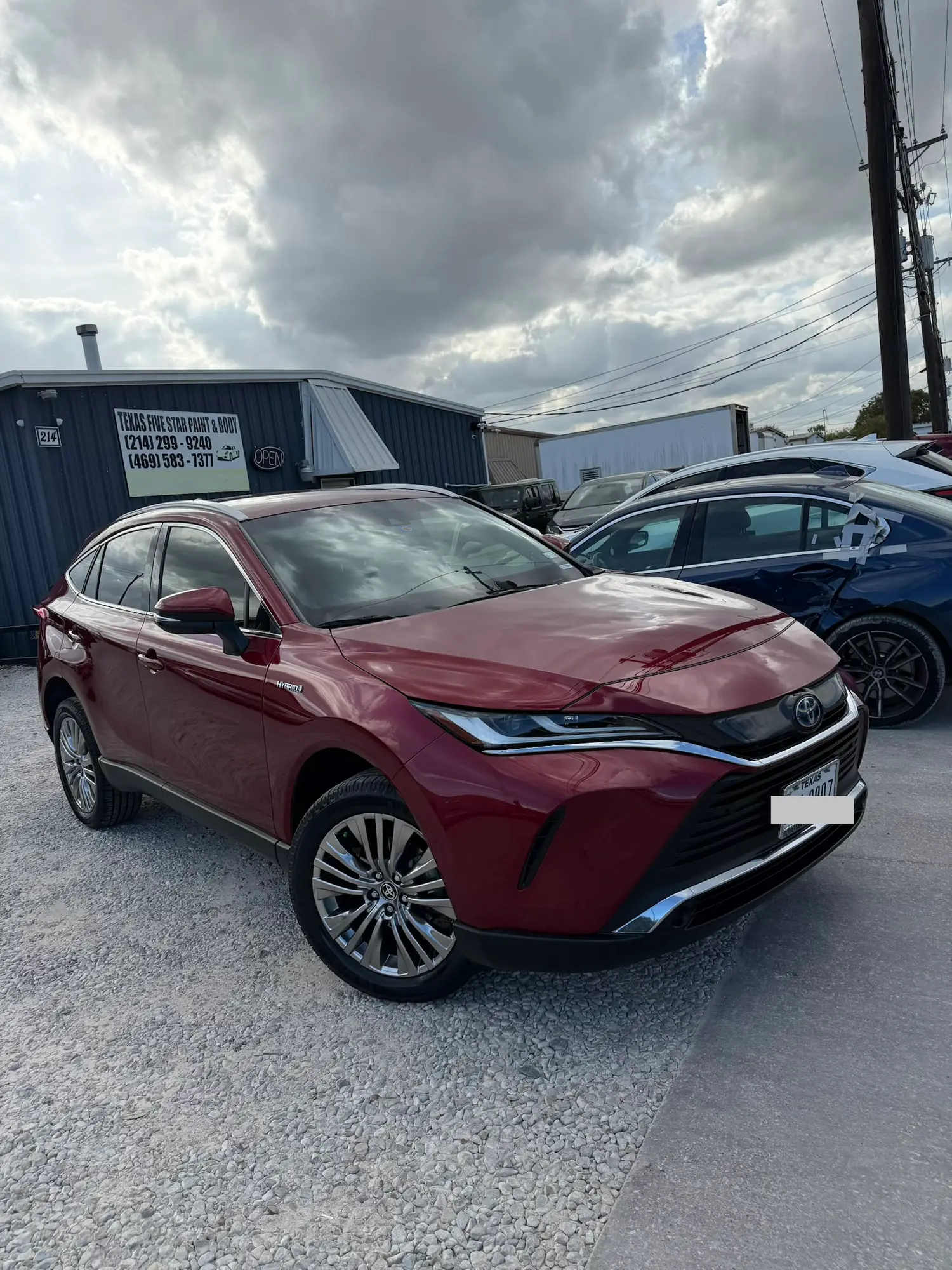
Can you paint a car in cold weather? Yes, you can paint a car in cold weather. With a climate-controlled spray booth and premium paints, a winter paint job delivers the same flawless, five-star finish you would expect in July. The key is not the temperature outside your garage - it is the controlled environment inside the shop.
You have probably heard that paint does not stick right when it is cold, or that you have to wait for spring. That is true for a DIY job in a driveway, but it is the opposite of how a professional body shop works. I am Ali, the manager here at Texas Five Star Paint & Body, a family-owned shop in Garland that earned Shop Of The Year In Garland based On Verified Reviews in 2025 and 2026. We are Certified Under State Of Texas and Auto Body Collision Certified. We will walk you through why temperature matters, what a climate-controlled paint booth in Garland actually does, and why winter can be the smartest time to book your paint work. You will also get real cost and timeline numbers so you can plan your repair or restoration without the guesswork.
Why Temperature Matters for a Quality Paint Job
Temperature is not a preference in auto painting - it is a chemical requirement. Modern automotive paints are engineered to flow out, bond, and cure within a narrow temperature window. When the metal panel, the air around it, and the paint itself are not all at the right temperature, the finish fails in predictable ways.
How Cold Affects Paint Adhesion and Finish
- Solvent pop. When paint is applied in cold air, the surface can skin over before the solvents underneath have evaporated. Those trapped solvents later push through the top layer as tiny bubbles, leaving a rough, cratered surface.
- Poor flow and orange peel. Cold paint is thicker. It does not atomize as finely from the spray gun and does not flow out into a smooth, level film. The result is a bumpy texture that looks like an orange peel.
- Blushing and cloudiness. Moisture condenses on cold metal. When clearcoat is applied over that invisible film of water, it traps it inside the film and turns the finish milky or cloudy.
- Adhesion failure. Paint bonds mechanically and chemically to the surface. A cold panel slows that chemical crosslinking. Months later, the paint can delaminate in sheets because it never properly locked onto the primer underneath.
These are the cold weather auto paint problems we see when a car was sprayed in a cold garage and the owner brings it to us to fix. Our founder Esmaeil opened this shop in 2022 with one rule: every vehicle gets the same attention he would want for his own. That means we never cut the prep cycle short, no matter the season.
The Ideal Temperature Range for Automotive Paint
We check the panel temperature before we spray, not just the air temperature. The booth brings the vehicle's metal skin to the same steady temperature as the air before the first coat ever hits it. That is why we wash and inspect every vehicle under specialized LED lighting before we write the estimate. The lights reveal every dent and surface flaw, and the time the vehicle spends inside lets the metal stabilize to the booth's set point. A panel that is still cold from sitting outside will ruin a paint job even if the air around it is warm.
Every paint job we do is backed by a 5-year warranty against peeling or color change[1]. The warranty does not cover natural occurrences like road debris and rock chips, but it protects you against a finish failure from the paint itself. That warranty is only possible because the environment is controlled on every job, regardless of the month on the calendar.
Can You Paint a Car in Cold Weather? Yes - With the Right Setup
You can paint a car in cold weather, but only when the work moves inside a climate-controlled spray booth. The booth solves the three problems that make winter painting fail: it holds the metal and the air at a consistent temperature, it filters the air to remove dust and moisture. It bakes the finish at a controlled ramp rate so the paint cures completely before the vehicle ever rolls outside.
The Difference a Climate-Controlled Spray Booth Makes
Our booth keeps the air moving evenly over the vehicle instead of letting hot air sit at the ceiling and cold air pool at the floor. That airflow pattern does two things at once. It keeps overspray from settling back onto the wet paint, and it prevents the temperature stratification that a heated garage cannot solve.
The booth's bake cycle then raises the temperature in a programmed curve that matches the paint manufacturer's cure schedule. The result is a fully crosslinked finish that is hard enough to wet-sand and polish the same day.
When a full vehicle is painted, the project is a big one. A complete paint job takes about 60 to 90 business days from drop-off to delivery, depending on the size of the vehicle and how much previous damage needs to be addressed first[2]. That timeline does not change in the winter because the booth's conditions are the same in January as they are in August.
Our Paint System: Formulated for Controlled Environments
We spray refinish systems designed for a booth environment. The hardeners, reducers, and clearcoats in each system are temperature-rated. Our technician selects the correct reducer for the booth's set point, so the paint flashes off at the right rate and the metallic flakes orient properly. That is how a silver metallic panel matches the factory finish instead of looking too dark or streaky. Our computerized color matching equipment reads the existing paint and formulates the mix so the new panel blends invisibly into the adjacent ones. For more on how we match factory colors and what affects the cost, see our guide on car paint colors and matching advice.
Before any vehicle leaves, we run a final quality check under bright lighting. The light is unforgiving. It shows whether the metallic laydown is even, whether the clearcoat has any dieback, and whether the orange-peel texture matches the factory panels. If it passes that inspection at the end of a 40°F day in February, the outside temperature never mattered. We are Auto Body Collision Certified and licensed by the state of Texas, so this process is not a seasonal gamble - it is our standard.
Schedule your free estimate and we will inspect your paintwork under our LED lights and give you a clear plan before any work begins.
Why Winter Can Actually Be the Best Time to Paint Your Car
Most people wait until spring to book body and paint work. That makes winter a quieter season at many shops, which works in your favor. We are Certified Under State Of Texas and hold the 2025 and 2026 Shop Of The Year In Garland awards based on verified reviews, so the quality does not change with the season - only the availability does.
Pros of scheduling in winter:
- Shorter wait times. With fewer collision jobs queued up, a full paint job or restoration can move into the booth sooner.
- Ready for spring. A car painted in January or February is cured, polished, and fully hardened by the time road-trip season starts in April. You are not rushing the cure to make a deadline.
- Consistent scheduling. The shop's production schedule is more predictable, so your vehicle is less likely to get pushed back by a wave of storm-related collision repairs.
Cons of waiting until spring:
- Longer queues. Everyone books at once when the weather warms up.
- Rush risk. A shop buried in work may have less flexibility to spend extra time on a meticulous cut-and-buff.
Verdict: If you want the shop's full attention on your paint job, winter is the time to book it. A typical collision repair takes about two weeks, depending on insurance parts availability[3]. A straightforward bumper repair is usually about five business days[4]. Those timelines hold steady all year, but the wait to get into the schedule shrinks in the colder months. As a family-owned shop, we are not a high-volume chain rushing cars through to meet a quarterly target. When you book in winter, you get our undivided attention. Call (469) 583-7377 to check current booth availability and lock in your spot.
DIY vs. Professional Winter Painting: What Goes Wrong in a Cold Garage
A home garage in a Texas winter might feel warm enough to work in, but it is nowhere near warm enough to paint in. The problems stack up fast, and they are expensive to fix. We are Certified Under State Of Texas and Auto Body Collision Certified, and we see the results of cold-garage paint jobs come through our doors regularly.
Common DIY Cold-Weather Paint Failures
- Fish eyes and contamination. A garage is not a filtered environment. Dust, silicone from household cleaners, and condensation settle on the panel and create craters in the wet paint.
- Solvent entrapment. Without a bake cycle, the paint air-dries in cold, damp air. The surface hardens while solvents remain trapped underneath. Weeks later, the finish can wrinkle or lose gloss as those solvents finally migrate out.
- Color mismatch with no comeback. A rattle-can or cheap spray-out in the wrong temperature shifts the metallic orientation. The panel looks like a different color in sunlight, and there is no warranty to cover a redo.
When a Professional Shop Is the Only Safe Choice
If your repair involves a metallic or pearl finish, a panel that must blend into adjacent panels. A vehicle you plan to keep for years, a professional booth is the only way to get a lasting result. The cost of stripping and redoing a failed DIY job often exceeds the price of having it done right the first time.
One of our favorite projects was a 1967 Mustang Shelby GT500 - the Eleanor car from Gone in 60 Seconds - in for a carbon fiber hood and quarter panel correction. The customer wanted a new carbon fiber hood with two stripes left in exposed carbon, while the rest of the hood was painted body color. While working on it, we discovered previous work that was done poorly on the quarter panel. After inspection, we pointed it out to the customer, who decided to get that fixed as well with our body work and materials. We finished it and the customer was extremely satisfied with the work done. That kind of outcome starts with the environment the paint is sprayed in. A cold garage cannot produce it.
How We Paint Year-Round at Texas Five Star
We do not change our process for the season. The booth is set to the paint manufacturer's spec, the metal is warmed through, and the finish is baked on a programmed cure cycle every time. We are Certified Under State Of Texas and earned Shop Of The Year In Garland based On Verified Reviews in 2025 and 2026, so the standard is the same whether it is 40°F or 100°F outside.
Our Climate-Controlled Booth: Consistent Temperature, Consistent Results
The booth runs a closed-loop heating system that holds the air and the vehicle body at a steady temperature from the first sealer coat through the final clearcoat. Between coats, we time the flash-off period to the booth's temperature and humidity, not to a guess. That repeatability is what lets us match a factory tri-coat pearl on a Lexus in December as accurately as we do in June.
We are a certified auto body collision repair shop, licensed by the state of Texas. Our painters train on the refinish systems we spray, and we check every job under bright inspection lights before we hand the keys back. That is the same standard whether the vehicle is a daily-driver sedan or a classic car restoration. For a deeper look at what goes into a full respray, read our breakdown of full car paint job costs in Garland.
The Same 5-Star Finish, January or July
One recent job came in for a bumper replacement and full paint match. The customer needed the front bumper cover replaced and painted to match the fenders and hood. We blended the color into the adjacent panels so there was no visible transition line, touched up every scrape on the wheels, and finished with a full interior, exterior, and engine bay detail. The customer drove out with a car that looked like it had just left the showroom - in the middle of winter.
Another job was a comprehensive repair that went beyond what the dealership had done. We fixed the radiator, front bumper, back fender and its post, noticed and replaced a tire, replaced front pieces insurance did not cover, and delivered a perfect paint job with professional detailing. When the owner picked it up, she said it looked better than the day she bought it.
We now track 612 and counting reviews[5] from customers across Garland, Richardson, Plano, and the surrounding DFW area, with a 5.0 rating from over 600 Google reviews[6]. The season has never stopped us from earning that feedback.
What a Full Paint Job Costs and What Affects the Timeline
A complete paint job is a significant investment because it is not a single spray-and-done step. It is a multi-stage restoration of the vehicle's entire exterior surface, and the price moves with the scope of the work.
Scope | Typical Cost | What Moves the Price |
|---|---|---|
Full paint job (any vehicle) | $6,000 - $14,000 | Vehicle size is the biggest driver: a sedan or coupe lands on the lower end, while a full-size SUV or truck lands on the higher end because of the larger surface area and additional materials. Previous damage like rust repair, paint oxidation, and road-wear correction adds prep time and cost before the first coat of color. |
A full paint job takes about 60 to 90 business days to complete[2]. The range depends on the size of the vehicle and how much previous damage needs to be addressed. A sedan with straight panels and no rust will finish on the shorter end. A truck with bed-side dents, failing clearcoat, and surface rust will take the full cycle.
If your paint work is part of an insurance claim, we can apply up to $500 toward your deductible on qualifying repairs[7]. Ask about it when you bring your vehicle in for the estimate.
Get a free estimate for your paint job - we will walk you through the timeline and cost for your specific vehicle.
Frequently asked questions
How much do you guys charge for a full paint job?
A full paint job ranges from $6,000 to $14,000, depending on the vehicle’s size and the condition of the existing paint and bodywork. A sedan or coupe falls on the lower end, while a full-size SUV or truck lands on the higher end because of the larger surface area and additional materials. Previous damage like rust, deep scratches, or failing clearcoat also adds prep time and cost. We give you a firm price after we inspect the vehicle under our LED lights and write a complete estimate.
Can you paint a car in the garage in winter?
You can try, but the results almost always fail. A home garage cannot filter the air, hold a steady temperature across the metal panels, or bake the finish to cure it properly. The paint is likely to develop solvent pop, orange peel, or adhesion failure, and a metallic color will not match. A professional climate-controlled booth solves all three problems and is the only way to get a lasting, factory-quality finish in cold weather.
What is the best temperature to paint a car?
The best temperature range for automotive paint is between 68°F and 77°F for both the air in the booth and the metal panels of the vehicle. The panel temperature matters just as much as the air temperature because cold metal causes condensation and poor adhesion. A climate-controlled booth holds that temperature steady through every coat and then ramps up for a controlled bake cycle.
How long does a full paint job take in the winter?
A full paint job takes about 60 to 90 business days, and that timeline does not change in the winter. The climate-controlled booth maintains the same temperature and cure schedule year-round, so the paint flashes and cures at the same rate in January as it does in July. The biggest variable is the amount of previous damage that needs to be corrected before the color goes on.
Do you work with my insurance company for paint work?
Yes. We work directly with all insurance companies on qualifying claims. We handle the estimate, the supplement negotiations if hidden damage is found, and the billing. Texas law gives you the right to choose your own repair shop, so you never have to use the insurer’s preferred network.
How do I get a free estimate for a paint job?
Call us at (469) 583-7377 or request a free estimate online. We will bring your vehicle inside, wash it, and inspect every panel under our specialized LED lights to catch every dent and surface flaw. Then we walk you through the scope of work and give you a clear price before any work begins.
The Finish That Does Not Depend on the Forecast
Cold weather stops a DIY paint job, but it does not slow down a professional shop with a climate-controlled booth and a repeatable process. The temperature outside your window has nothing to do with the temperature of the metal inside our spray booth. That is why we can spray a factory-quality finish in February and back it with the same 5-year warranty we give on every paint job we do.
The real question is not whether the weather is warm enough. It is whether the shop has the equipment and the process to control the environment. We do. If your car needs paint work and you do not want to wait until spring, bring it in for a free estimate. We will inspect it under our LED lights, walk you through the timeline and cost for your specific vehicle, and get the job moving while the schedule is still open. Once the paint is cured and hardened, follow our guide on tips to protect your car paint to keep that finish looking new for years. For a custom color or restoration-level finish, see our page on custom paint jobs in Garland.
Get Directions to our shop in Garland or call (469) 583-7377 to schedule your inspection.