
Texas Five Star Paint & Body · By Ali, Manager · · 13 min read
How to Pick a Auto Body Shop
How to pick a auto body shop: check certifications, verified reviews, and a shop that treats your car like its own. Our Garland guide covers costs, timelines
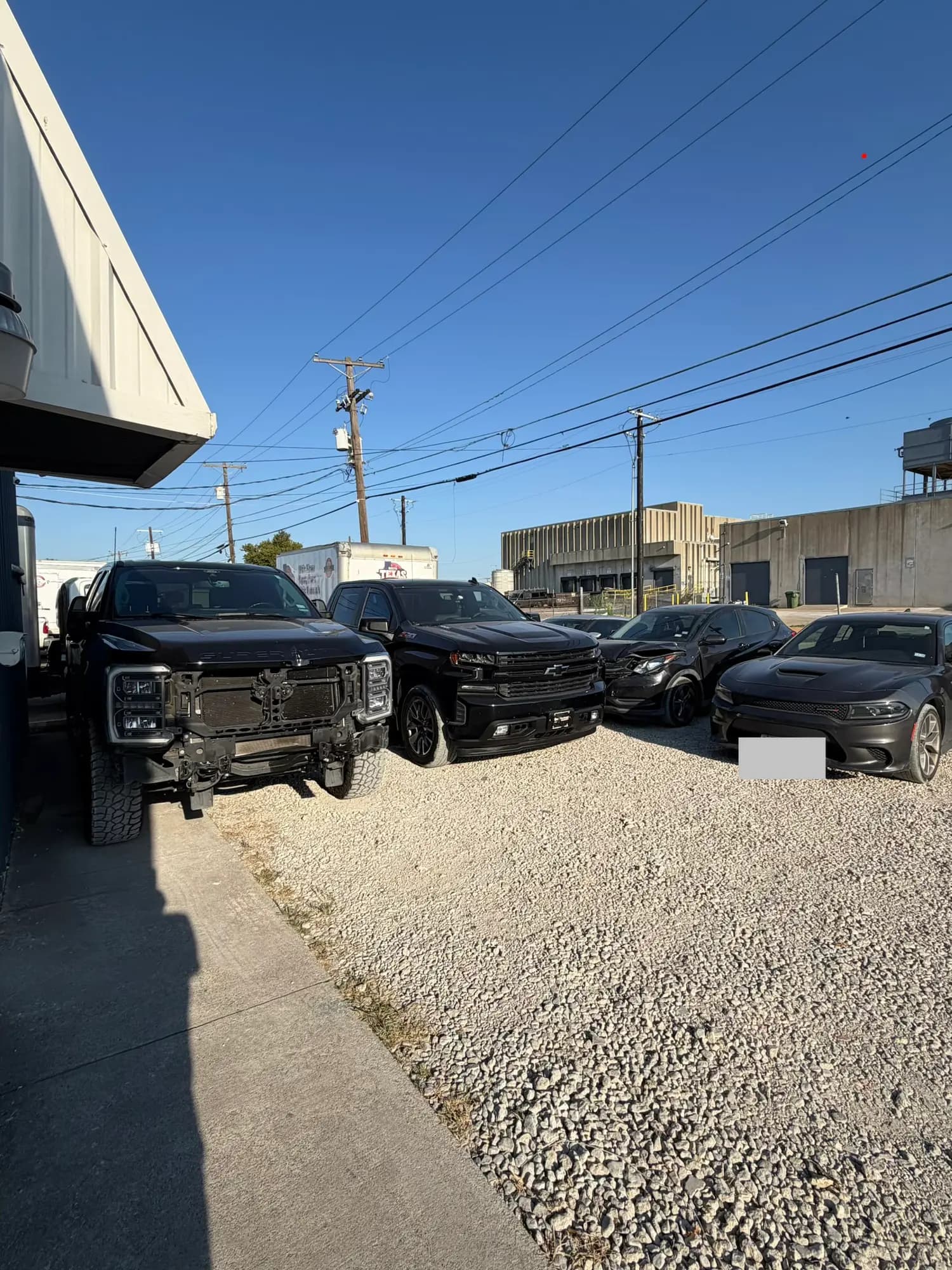
Choosing how to pick a auto body shop comes down to three things no estimate shows you: certified technical capability, a documented record of five-star customer experiences. A process that treats your vehicle like their own. You need a shop that delivers factory-quality work, handles the insurance headache, and stands behind every repair. At Texas Five Star Paint & Body in Garland, we built our entire shop around that standard because we saw how many drivers in the DFW metroplex were getting burned by shops that cut corners. Our founder Esmaeil started this shop with a straightforward idea: give every vehicle the same attention you would want for your own.
Ever gotten a quote that sounded too good to be true, only to find overspray on your trim and a paint shade that does not match? We hear that story weekly. The truth is, many body shops bank on you not knowing what to look for. This guide walks you through exactly what separates a trustworthy shop from the rest, from the certifications that matter to the real costs and timelines you should expect. By the end, you will have a checklist you can run against any shop, anywhere.
Key Takeaways- A trustworthy auto body shop holds state certifications and has a verifiable history of five-star reviews from real customers.- Factory-quality repair means computerized color matching, advanced frame equipment, and a warranty that backs the paintwork.- Bumper repair in our Garland shop runs $500 - $1,500, while a full paint job takes 60-90 business days depending on vehicle size and prior damage.- Always visit the shop in person: check the lot for a steady flow of work, watch how the team interacts with customers, and ask to see a recent job.
The Real Problem With Picking the Wrong Auto Body Shop
When you search for a trustworthy auto body shop in Garland, TX, you are not just looking for a low price. You are looking for a business that will not make your situation worse. A bad repair can mean mismatched paint that lowers your car's resale value. It can mean hidden structural damage that compromises safety. Or it can mean a shop that holds your vehicle hostage while arguing with your insurer. We have seen all three walk through our doors. Earning the 2025 Shop Of The Year In Garland based on verified reviews did not happen by accident. It came from fixing the mistakes other shops left behind.
How to pick a auto body shop correctly starts with understanding what goes wrong when you pick poorly. The most common failure we correct is a previous shop's paint blend that did not account for the factory pearl or metallic flake. That repair looks fine in the shade but glows a different color under direct sun. Fixing it often means redoing the entire panel and blending into adjacent ones, costing you twice. The second is a bumper replacement that was never calibrated. Modern cars pack ADAS sensors behind those plastic covers. A shop that skips calibration leaves your blind-spot monitoring or parking sensors dead without a warning light.
A recent customer, Shane, brought us his car after a neighborhood kid hit it with a golf cart. He told us the quotes he got from other shops "blew our minds." One wanted to replace the entire quarter panel for a dent that was repairable. We pulled the dent, matched the paint, and returned the car for a fraction of those quotes. Shane later said, "We stumbled onto Texas 5 Star Paint & Body and we couldn't be happier with the work they did. Their price was extremely reasonable." That experience is not unusual. Ben, another Garland driver, told us he had "a long search for a shop I could trust with my car" before finding us. The common thread? They both walked into our shop, saw the cars we were working on, and talked to our team before committing. That in-person visit told them more than any website could.
What Factory-Quality Collision Repair Actually Looks Like
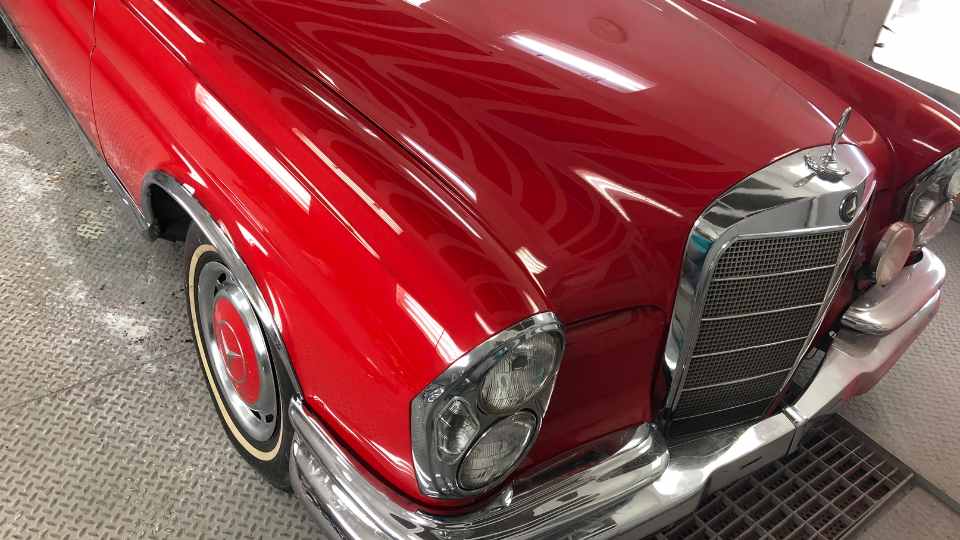
“Factory-quality” is a term shops throw around loosely. Here is what it means on the floor. A shop that delivers factory-quality collision repair uses computerized color matching, not a painter’s eye alone. It pulls frame measurements with laser-guided equipment, not a tape measure. And it hand-inspects every vehicle under specialized lighting before handing back the keys. These are not perks; they are the baseline for a repair that is structurally sound and visually invisible.
At our shop, we are Auto Body Collision Certified and Certified Under State Of Texas. Those credentials mean our technicians have passed written and practical exams on modern vehicle structures, advanced driver-assistance systems, and refinishing techniques. They also mean we are audited. The state certification requires ongoing training as vehicle materials change - aluminum panels, high-strength steel, carbon-fiber components - each demanding different welding and pulling methods. A shop without these certifications might still do good work, but you are betting your safety on their word.
The standard we hold ourselves to is what you should demand from any shop you consider:
- Paint match that is undetectable: We use a spectrophotometer to read your car’s exact color, accounting for fade and factory variants. The paint is then mixed on-site, not ordered from a pre-mixed can.
- Panel gaps consistent with factory spec: After a collision, body panels must be aligned to within millimeters. We measure every gap before and after repair.
- Structural repairs that restore crash integrity: A frame machine pulls your vehicle’s unibody back to factory dimensions. We print the before-and-after measurements for your records.
- ADAS sensor recalibration: Any repair near a bumper, windshield, or side mirror triggers a static or dynamic recalibration of the affected sensors. We run the full procedure, not just a code clear.
Ujwal, who drives a 2026 BMW M3 with an individual paint color, brought us a hit-and-run repair. That paint is not a standard code you can pull from a database. Our painter built the mix from scratch, layered it to match the factory orange peel, and blended it so the repair panel disappeared. Ujwal told us, “The quality of work is incredible - you can’t even tell it was ever damaged.” That is the result of the process, not luck.
How to Pick an Auto Body Shop: Certifications, Reviews, and Real Talk
How to pick a auto body shop is a question best answered with a process, not a hunch. Here is the exact framework we recommend to friends and family, drawn from what we see work every day in our own Garland shop.
- Check for state and industry certifications. Look for “Auto Body Collision Certified” and a state-issued license displayed in the office or listed on their website. These require ongoing education and audits. If a shop hesitates to show them, walk.
- Read verified reviews, not just the star rating. A five-star average is good; the content of the reviews is better. Look for customers who mention communication during the repair, the shop handling their insurance claim, and the final result being indistinguishable from factory. We earned the 2025 Shop Of The Year In Garland based on verified reviews precisely because our customers repeatedly mention those three things.
- Visit the shop in person. Walk the lot. A busy shop with a range of vehicles - daily drivers, luxury cars, a classic or two - signals consistent trust. Watch how the team greets you. Do they answer your questions directly, or do they rush you to a computer screen? Lance Jernigan, a longtime customer, put it this way: “The father and son who run the shop are some of the most skilled professionals doing body work. Don’t take your vehicle anywhere else for repairs.”
- Ask to see a completed job. Any reputable shop can show you a vehicle that is ready for pickup. Look at the paint in direct light, run your finger along the panel edge, and check the interior for dust or overspray. A shop that is proud of its work will be eager to show it off.
- Confirm they handle insurance directly. The repair is stressful enough without you playing middleman between the shop and the adjuster. Mario, a recent collision repair customer, told us, “They kept me updated throughout the process, worked directly with my insurance company to make things easy on my end, and had my car looking brand new again.” That is the experience you want.
The Repair Timeline and Cost: What Moves the Needle
Cost and time are what most people ask about first. The honest answer is that both depend on the damage, but the ranges are predictable once you know the variables. Here is what we quote daily at our Garland shop, based on real repair data. We have tracked these numbers across every job since Esmaeil opened our doors, and they hold true for the DFW market.
Repair Type | Typical Cost Range | Typical Timeline | What Moves the Price |
|---|---|---|---|
Bumper Repair | $500 - $1,500[1] | About 5 business days[2] | Severity of damage, proximity to other panels (blending required), bumper replacement vs. repair, vehicle model |
Front End Collision | $2,000 - $7,000[3] | Average 2 weeks[4] | Newer cars have more ADAS systems needing calibration; part availability through insurance |
Rear End Collision | $2,000 - $7,000[5] | Average 2 weeks[4] | Rear floor panel repair, bumper replacement, rear body panel work; ADAS sensor recalibration |
Side Swipe | $2,000 - $6,000[6] | Varies by panel count | Door or quarter panel replacement vs. repair; fewer hidden damages mean more accurate initial estimates |
Full Paint Job | $6,000 - $14,000[7] | 60-90 business days[8] | Vehicle size (sedan vs. full-size SUV/truck), previous road wear, rust, and paint oxidation |
The biggest variable in collision repair time is insurance parts availability[4]. A common model's bumper cover might arrive next day. A back-ordered headlight for a European import can stall the job for two weeks. We update you the moment we have a parts ETA.
Beyond the Dent: Specialized Services That Protect Your Investment
A collision is not the only reason you need a body shop. The right shop can handle hail damage, paint chips, rust, and even full restorations, all under one roof. That matters because it means you build a relationship with a shop that knows your car's history. Our team has done everything from a quick bumper scuff to a full classic car restoration, and the same standard applies to every job.
- Hail Repair and Paintless Dent Repair (PDR): We use PDR to massage dents out from behind the panel, preserving your factory paint. When hail breaks the clear coat or cracks the paint, we step into traditional refinishing. Maryam brought us her car with "severe hail damage on six panels, and a busted windshield and headlight." She said it "came back looking better than when I bought it."
- Classic Car Restoration: Period-correct work demands a different skill set. We recently restored a 1967 Mustang Shelby GT500, the "Eleanor" car from "Gone in 60 Seconds." The customer sourced a special carbon-fiber hood with two stripes that matched the carbon itself, while the rest of the hood needed body-color paint. During the job, we found poorly done previous work on a quarter panel. We pointed it out, the customer approved the fix, and we corrected it with proper body materials. The car left our shop with a flawless finish and a very satisfied owner.
- Scratch and Paint Chip Repair: A chip that breaks through the clear coat will rust. We sand, prime, and touch up the spot with matched paint, then blend the clear. It is a small job that prevents a much larger one.
- Bumper and ADAS Calibration: Marleen came to us for a bumper replacement and paint job. She told us, "They blended the colors very well, they touched up all the scrapes in my wheels and did a full interior, exterior, and engine bay detail." That full treatment is standard for us because we know you judge the repair by the whole car, not just the fixed panel.
Your Next Steps: From Estimate to Keys in Your Hand
Once you have chosen a shop, the process should be clear and calm. Here is how we guide every customer from the first phone call to the final detail.
- Get an in-person estimate. Photos can hide damage. We need to see the car, put it on a lift if needed, and check for hidden structural or sensor damage before we give you a number. This estimate is free.
- We handle your insurance claim. Bring us your claim number and adjuster’s contact. We communicate directly with the insurer, submit the supplement for any hidden damage we find, and fight to use OEM or quality alternative parts as your policy allows. Auto insurance claim repair is a core part of our service, not an afterthought.
- You approve the repair plan. We walk you through exactly what needs to be done, what parts are ordered, and the timeline. No work starts until you say yes.
- We keep you updated. Omar, a truck owner, told us, “They kept me informed about the progress of the repairs of my truck and they had it ready on the date they said it would be.” That is our standard. If a parts delay shifts the timeline, you get a call, not a surprise.
- Final inspection and detail. Before we call you for pickup, the car is hand-inspected under our specialized lighting. Then it is washed, the interior is cleaned, and the paint is checked one last time. Megan, who was stressed after her accident, said our process “nearly made my stress disappear completely.” She added, “I swear I called them a million times to ask questions… and they sat with me through the entire process.”
Before you decide on a shop, run this quick checklist:
Knowing how to pick a auto body shop means trusting the evidence, not the sales pitch. If you are in Garland, Richardson, Mesquite, or anywhere in the DFW metroplex, come see our shop at 214 Range Dr. We will walk you through the estimate, show you our current work, and answer every question until you feel confident. Call Texas Five Star Paint & Body at (469) 583-7377 or stop by Monday through Friday, 8am to 6pm.
Frequently asked questions
How much do you guys charge for a bumper repair?
A bumper repair at our Garland shop typically runs $500 to $1,500[1]. The price depends on the damage severity and how close it is to other panels, which can require blending the paint. If the bumper itself is inexpensive to replace, the higher end of that range may cover a full replacement instead of a repair.
How much do you guys charge for a front end collision?
Front end collision repair generally costs $2,000 to $7,000[3]. Newer cars push the cost higher because they pack more ADAS sensors and cameras that must be recalibrated or replaced after impact. The final number also depends on part prices from your car's manufacturer and the extent of the structural damage.
How long does a full paint job take?
A complete paint job takes 60 to 90 business days[8] at our shop. The wide range accounts for the vehicle's size, a sedan sits on the lower end, a full-size SUV or truck on the higher end, and the condition of the existing paint. Heavy road wear, rust repair, or paint oxidation adds time because those surfaces must be corrected before new paint is applied.
Do auto body shops handle insurance claims?
Yes, and a good shop makes it a core part of their service. We communicate directly with your insurance adjuster from the initial estimate through any supplemental damage we find during the repair. Our goal is to remove you from the back-and-forth so you focus on getting your car back, not on paperwork.
What certifications should a good auto body shop have?
Look for a state-issued auto body license and an industry certification like Auto Body Collision Certified. These require technicians to pass written and hands-on exams on modern vehicle structures and refinishing, and they mandate ongoing training. A shop should display these credentials openly or show them on request without hesitation.
How do I know if an auto body shop is trustworthy?
Check verified reviews for specific mentions of communication, insurance handling, and final repair quality. Visit the shop in person and watch how the team interacts with customers. Are they answering questions directly and showing their work? A trustworthy shop also offers a written warranty on its paintwork and walks you through every line of the estimate before starting. That is the core of how to pick a auto body shop you can count on.