
Texas Five Star Paint & Body · By Ali, Manager · · 11 min read
How Long Does Collision Repair Take?
How long does collision repair take? From our Garland shop: minor bumper work in 5 days, full collision repair averages 2 weeks. Real timelines, no guesswork.
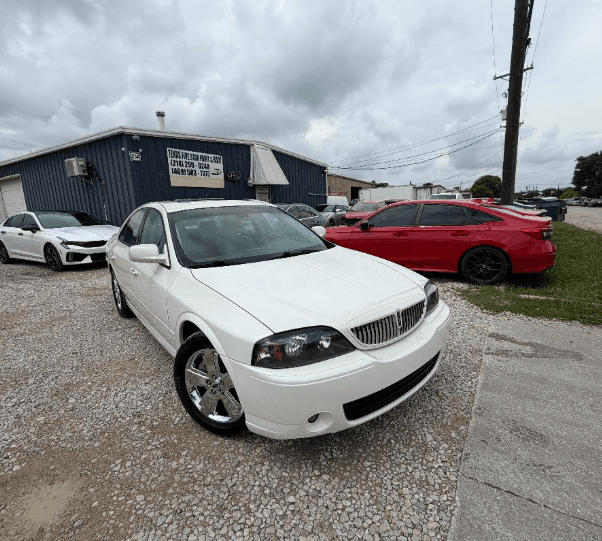
If you are wondering how long does collision repair take, the honest answer from our Garland shop is about two weeks for a typical job. That number shifts a lot depending on the damage, the parts, and the insurance company. We have finished a straight bumper repair in five business days and we have had a full structural job stretch past a month when a backordered part held everything up. The real answer lives in the six steps every repair goes through, and we will walk you through them right here.
You know the feeling of calling a shop and hearing "it depends" with no follow-up. We agree that is frustrating. This article promises you a clear, step-by-step timeline built from real jobs on our floor. You will see exactly where the hours and days go, what speeds things up, what slows them down, and how we keep you in the loop the whole time.
Key Takeaways- A minor bumper repair in our shop runs about five business days; a full collision repair averages two weeks, depending on insurance and parts availability[1].- The estimate and insurance-approval step is often the longest single wait, not the body work itself.- Parts ordering is the number-one cause of delays we see - we show you how we fight that.- A real 1967 Mustang Shelby GT500 Eleanor tribute car in our bay taught us that hidden damage changes the timeline, and we will share exactly how we handled it.- Owner Esmaeil and our award-winning team back our paint work with a five-year warranty and update you at every stage, so you are never guessing.
How Long Does Collision Repair Take? A Real-World Answer
Minor Damage
For a small, cosmetic job like a bumper scuff or a single dent away from a sensor, plan on one to three working days in the shop. A general bumper repair in our shop runs about five business days[2].
Moderate Collision Damage
A moderate hit that needs a new panel, blending, and paint runs about a week. When the frame, suspension, or safety systems are involved, the average collision repair takes about two weeks to complete, depending on insurance parts being available[1]. That two-week figure comes straight from our own job records here at Texas Five Star Paint & Body, not a generic industry average.
Major Structural Repairs
For a major structural hit - a rear-end collision that pushed the rear body panel and floor pan in. A front-end hit that bent the frame rails - the timeline stretches to three or four weeks. These jobs need extensive time on the frame machine and often involve multiple supplement approvals from the insurance company.
What that two-week number does not tell you is where the time actually goes. The wrench time on your car is a fraction of the total calendar. The rest is waiting: waiting for the adjuster, waiting for the OEM fender, waiting for the clear coat to cure so we can sand and polish it without rushing. We will break that down step by step next.
The Six Steps of Collision Repair - and How Long Each One Takes
Every car that rolls into our shop moves through the same sequence. The clock on each step is what determines your real timeline. Here is the order, with the honest time each one consumes.
1. Estimate and Insurance Approval (Often the Longest Wait)
This step can take 30 minutes or three days, and the difference is almost always the insurance company. When you bring the car in, we write a detailed estimate on the spot. If you are paying out of pocket, you approve it and we order parts the same day. If insurance is involved, we submit the estimate and photos to the adjuster. Some carriers respond in hours; others take two or three business days just to acknowledge the claim. We handle the back-and-forth for you - we have seen it all - but we cannot make an adjuster pick up the phone faster. The best thing you can do is file your claim before you drop the car off, which gets the clock running early. For a deeper look at that process, read our step-by-step guide on handling a collision insurance claim. We also have a dedicated page on insurance collision repair that covers what your policy pays for and how we work with every major carrier.
2. Parts Ordering: The #1 Cause of Delays
Once the estimate is approved, we order every part the job needs. For a late-model domestic car, that can mean next-day delivery. For a European luxury car or a model with supply-chain backlogs, a single bracket can hold up the entire job for two weeks. We saw this firsthand on a recent project: a 1967 Mustang Shelby GT500 Eleanor tribute car came in for a carbon-fiber hood, and the customer had already sourced the hood himself. While fitting it, we found poorly done previous work on the quarter panel. We pointed it out, and he decided to have us fix it right then. That added bodywork did not delay the job because the parts were already in hand. It is a perfect example of how hidden damage changes the scope - and the timeline - once the panels come off.
3. Disassembly and Hidden-Damage Inspection
We do not just start pulling metal. We disassemble the damaged area methodically, photographing every layer. This is where we find what the initial estimate missed: a bent bracket behind the bumper, a cracked headlight tab, a wiring harness that got pinched. We stop here and send a supplement to the insurance company if needed, which can add a day or two. We would rather find it now than after the paint is dry.
4. Body Work and Structural Repair
This is the skilled metalwork. For a minor dent, it is a few hours of paintless dent repair or body filler and blocking. For a rear-end hit that pushed the rear body panel and floor pan in, it is a day or more on the frame machine. We use a computerized measuring system to pull the unibody back to factory spec, not just "eyeball close." That precision takes time, and it is the difference between a car that tracks straight and one that eats tires.
5. Paint, Refinishing, and Cure Time
Paint is not one step; it is a sequence. We prime and block the repaired area, then apply the base coat in a downdraft booth, then the clear coat. The color match is done with a spectrophotometer that reads your car's actual paint, accounting for fade. After the clear coat cures, we wet-sand and polish to remove any orange peel so the finish matches the factory texture.
A full paint job on a whole car is a much bigger project. It takes about 60 to 90 business days to finish, depending on the size of the vehicle and any previous damage like rust or oxidation[3]. For a single panel repair, the paint work itself is usually one to two days, but we always build in a full cure day before reassembly.
6. Reassembly, Calibration, and Quality Check
After paint, we put the car back together and run every system. Modern cars are packed with ADAS sensors: blind-spot monitors, parking sensors, forward-collision cameras. After a front-end collision, those systems often need calibration. We perform ADAS calibration in-house using our Autel calibration system, which adds a few hours but means your safety systems work exactly as they should. Finally, the car goes under our specialized inspection lighting. Every panel gap is checked, every reflection is straight. The car is washed, detailed, and only then do we call you.
A Real Example: Timeline From Our Garland Shop
A recent job that illustrates the timeline perfectly was a 2019 Mercedes-Benz S560 that came in with side-swipe damage across both passenger doors and the rear quarter panel. The owner was understandably anxious - it was his daily driver, and he did not want a repair that looked like a repair.
Here is how the calendar played out. Day one: we wrote the estimate and submitted it to his insurer. The adjuster reviewed it the next morning. We ordered the door skin and the quarter-panel section that afternoon. The door skin arrived in three days; the quarter section took five. Disassembly on day four revealed a slightly bent intrusion beam inside the door. We documented it and submitted a supplement, which added one day for re-approval. The body work and paint took four working days, and we allowed a full day for the clear coat to cure before wet-sanding. ADAS calibration and final QC took half a day. Total calendar time: just under three weeks. The owner told us at pickup that he could not tell where the damage had been, and that is the standard we aim for.
What Speeds Up - or Slows Down - Your Repair
Several things move the needle on your timeline, and most of them are set before we ever touch a wrench.
What speeds things up:
- Filing your insurance claim before you drop the car off.
- Driving a common domestic or Asian model with plentiful parts availability.
- Damage that is cosmetic only, with no ADAS sensors involved.
- Choosing a shop like ours that handles the insurance communication for you, so you are not the middleman.
What slows things down:
- A rare or European vehicle where parts come from a regional warehouse or overseas.
- Hidden structural damage found after disassembly.
- An insurance carrier that is slow to approve the initial estimate or a supplement.
- A full paint job - painting an entire SUV takes about 60 to 90 business days[3] because of the sheer surface area and the prep work involved.
One thing we tell every customer: the fastest estimate is not always the most accurate one. A shop that rushes the initial write-up often misses damage underneath, which means a surprise supplement and a longer wait later. We would rather take an extra hour on the front end and give you a timeline you can actually count on. If you are weighing a family-owned shop against a franchise, we wrote about that choice in collision repair near you: family-owned vs. franchise. For drivers in Rowlett, we also have a dedicated page on collision repair in Rowlett, TX that covers local service specifics.
How We Keep You Updated During the Repair
You should never have to chase a shop for news. When you bring your car to us, we set the expectation up front: you will get a text or call at each major milestone - estimate submitted, parts ordered, disassembly complete, paint started, final QC. Not because we are trying to over-communicate, but because we know a collision repair is disruptive. You are in a rental or borrowing a car, and you need to plan.
A customer named Mario put it better than we can after we handled his insurance collision repair: "The team took care of everything from start to finish. They kept me updated throughout the process, worked directly with my insurance company to make things easy on my end, and had my car looking brand new again." That is the experience we build our process around. If the timeline shifts - say a part gets backordered - we call you the same day we find out, explain why, and give you a new target date. No disappearing, no voicemail tag.
Frequently asked questions
Can I speed up my collision repair? You can help most by filing your insurance claim before you bring the car in, which starts the adjuster review early. After that, the biggest lever is parts availability, and there is not much anyone can do to speed up a backordered OEM part. We always check multiple supply channels, but we will not substitute an aftermarket part without your approval.
Will I get a rental car while my car is being repaired? That depends on your insurance policy. If your coverage includes rental reimbursement, we can help you coordinate with the rental company. We work with several local providers near our Garland shop and can have a car ready for you when you drop yours off.
Is the repair timeline guaranteed? We give you our best estimate based on what we can see during the initial inspection. Because hidden damage is common - we find it on a significant number of the cars we disassemble - the timeline can shift if we need to submit a supplement to insurance. We guarantee we will tell you the moment it changes and why, and we stand behind the final result with a five-year warranty on our paint work.
How long does a bumper repair take compared to a full collision repair? A general bumper repair in our shop runs about five business days[2]. That covers disassembly, repair or replacement of the bumper cover, paint, and reassembly. A full collision repair that involves structural work, multiple panels, and ADAS calibration averages about two weeks[1].
Does ADAS calibration really add that much time? It adds a few hours to the final day, not days to the calendar. But it is not optional. After a front-end collision, your forward radar, camera, and parking sensors need to be recalibrated to factory specs. We perform this in-house with our Autel calibration system, so it does not require an extra trip to the dealer, which saves you a day or more.
How long does a full paint job take? A full paint job is a major project. Because the whole car is being painted, it takes about 60 to 90 business days to finish, depending on the size of the vehicle and previous damage like rust or road wear[3]. We strip and prep every panel, and we do not rush the cure time.
If you are in Garland, Mesquite, Rowlett, or anywhere in the DFW metroplex and need a real timeline instead of a guess, we are ready to walk you through it. Call us at (469) 583-7377 or stop by the shop at 214 Range Dr in Garland. We will write a detailed estimate, explain exactly how long your repair should take, and handle the insurance back-and-forth so you do not have to. How long does collision repair take? It depends on the car and the damage - but when you work with a shop that communicates, you will know the answer at every step.